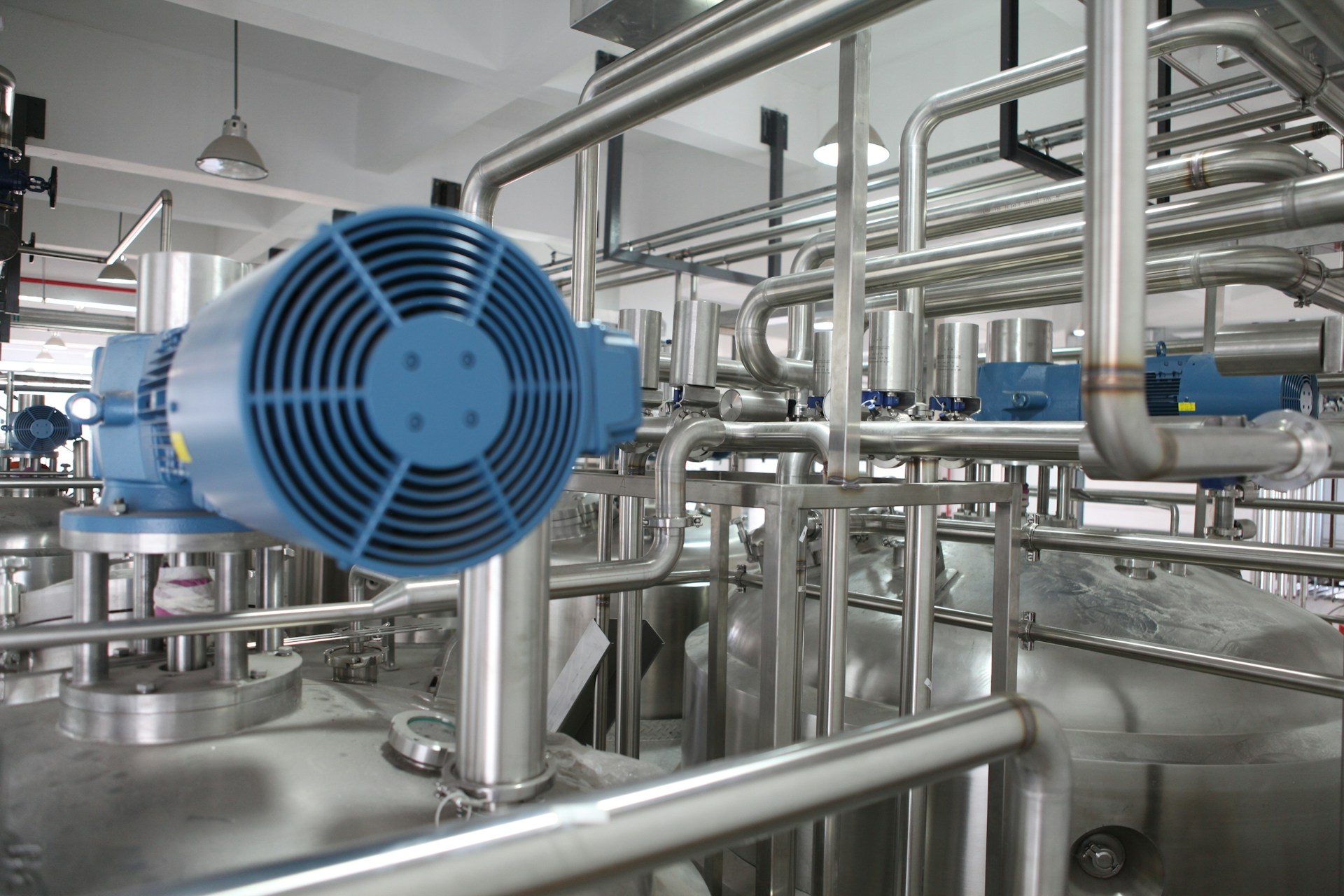
Reducing downtime through predictive maintenance
Discover how predictive maintenance leverages data to minimize system failures and ensure operations.

Overview
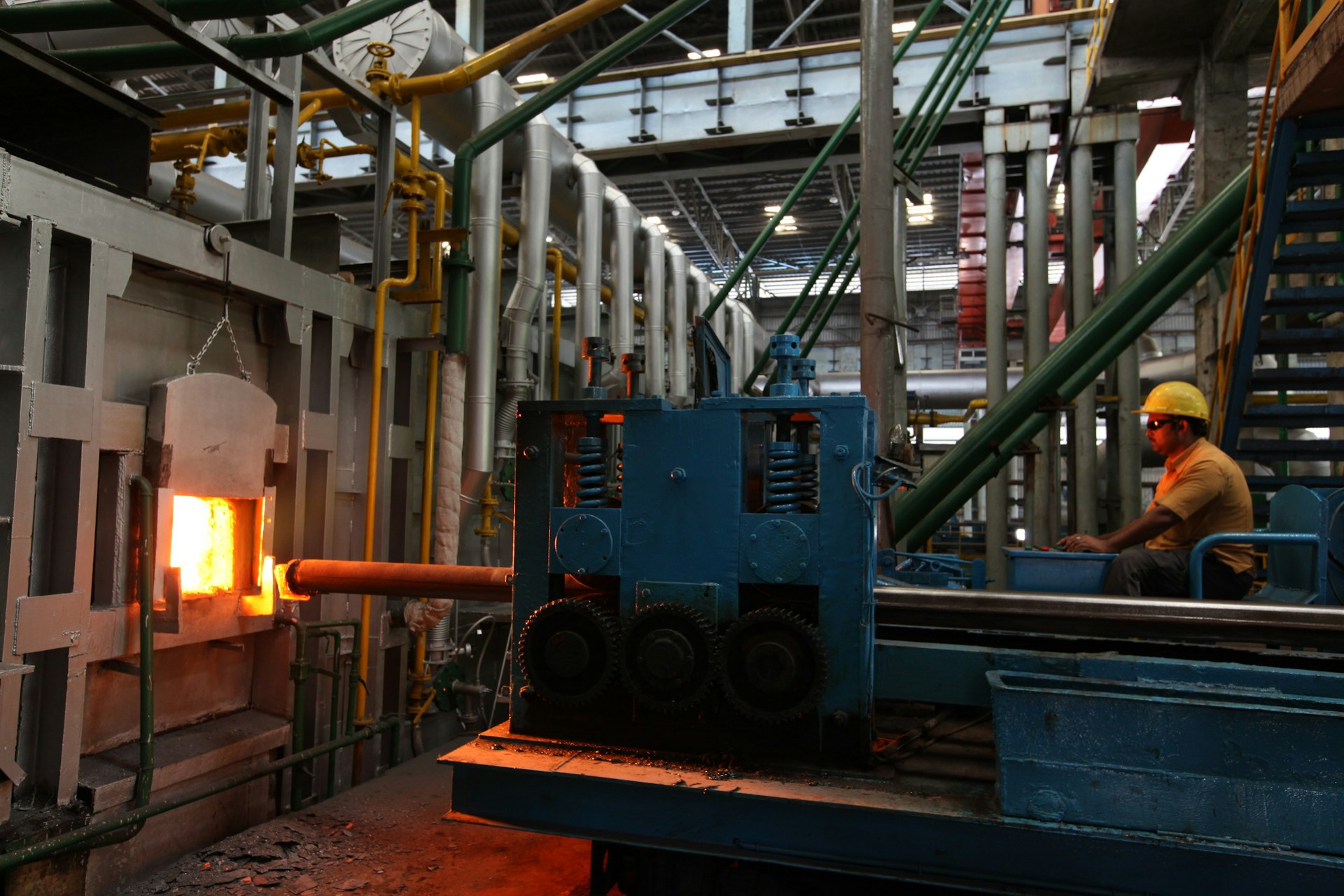
Unplanned downtime is one of the most costly challenges in manufacturing. Equipment failures disrupt production schedules, increase operational costs, and put pressure on maintenance teams. Predictive maintenance offers a smarter approach by identifying potential issues before they cause breakdowns—helping manufacturers reduce downtime and maintain stable, efficient operations.
The limits of reactive and preventive maintenance
Traditional maintenance strategies often rely on fixed schedules or reacting after failures occur. While preventive maintenance reduces some risk, it can still lead to unnecessary servicing or missed early warning signs. Key challenges include:
Unexpected breakdowns between scheduled inspections
Over-maintenance that increases costs and downtime
Limited visibility into actual equipment condition
Difficulty prioritizing maintenance resources
How predictive maintenance works
Predictive maintenance uses sensors, monitoring systems, and analytics to track equipment health in real time. By analyzing patterns and deviations, potential failures can be detected early — often long before performance is affected.
Condition monitoring of critical components
Real-time alerts when abnormal behavior is detected
Data analysis to predict remaining useful life
Maintenance actions based on actual equipment condition
Benefits beyond downtime reduction
Reducing downtime is only one advantage of predictive maintenance. By addressing issues early, manufacturers also improve equipment lifespan, product quality, and overall efficiency. Maintenance teams can plan interventions more effectively, reduce emergency repairs, and minimize disruptions to production. Predictive insights also support better spare parts management and more accurate maintenance planning.
Successful predictive maintenance depends on more than technology. Maintenance teams must understand how to interpret data, act on insights, and integrate predictive strategies into daily operations. Clear workflows and collaboration between operations and maintenance ensure that predictions translate into real results.
Building a reliable and resilient operation
Reducing downtime through predictive maintenance strengthens operational reliability and long-term performance. By combining condition monitoring, analytics, and skilled teams, manufacturers can maintain consistent output while controlling costs.
Predictive maintenance turns downtime from an unavoidable risk into a manageable variable—supporting efficient, resilient, and future-ready manufacturing operations.
Overview
Unplanned downtime is one of the most costly challenges in manufacturing. Equipment failures disrupt production schedules, increase operational costs, and put pressure on maintenance teams. Predictive maintenance offers a smarter approach by identifying potential issues before they cause breakdowns—helping manufacturers reduce downtime and maintain stable, efficient operations.
The limits of reactive and preventive maintenance
Traditional maintenance strategies often rely on fixed schedules or reacting after failures occur. While preventive maintenance reduces some risk, it can still lead to unnecessary servicing or missed early warning signs. Key challenges include:
Unexpected breakdowns between scheduled inspections
Over-maintenance that increases costs and downtime
Limited visibility into actual equipment condition
Difficulty prioritizing maintenance resources
How predictive maintenance works
Predictive maintenance uses sensors, monitoring systems, and analytics to track equipment health in real time. By analyzing patterns and deviations, potential failures can be detected early — often long before performance is affected.
Condition monitoring of critical components
Real-time alerts when abnormal behavior is detected
Data analysis to predict remaining useful life
Maintenance actions based on actual equipment condition
Benefits beyond downtime reduction
Reducing downtime is only one advantage of predictive maintenance. By addressing issues early, manufacturers also improve equipment lifespan, product quality, and overall efficiency. Maintenance teams can plan interventions more effectively, reduce emergency repairs, and minimize disruptions to production. Predictive insights also support better spare parts management and more accurate maintenance planning.
Successful predictive maintenance depends on more than technology. Maintenance teams must understand how to interpret data, act on insights, and integrate predictive strategies into daily operations. Clear workflows and collaboration between operations and maintenance ensure that predictions translate into real results.
Building a reliable and resilient operation
Reducing downtime through predictive maintenance strengthens operational reliability and long-term performance. By combining condition monitoring, analytics, and skilled teams, manufacturers can maintain consistent output while controlling costs.
Predictive maintenance turns downtime from an unavoidable risk into a manageable variable—supporting efficient, resilient, and future-ready manufacturing operations.
Jan 26, 2026
Proven methods to boost workflow efficiency, streamline coordination, and remove bottlenecks in settings.
Jan 26, 2026
Proven methods to boost workflow efficiency, streamline coordination, and remove bottlenecks in settings.
Jan 27, 2026
A practical guide to introducing automation into existing industrial environments without disrupting operations.
Jan 27, 2026
A practical guide to introducing automation into existing industrial environments without disrupting operations.
Jan 28, 2026
The role of meticulous planning and precise technical execution in enhancing performance ensuring safety.
Jan 28, 2026
The role of meticulous planning and precise technical execution in enhancing performance ensuring safety.
Jan 26, 2026
Proven methods to boost workflow efficiency, streamline coordination, and remove bottlenecks in settings.
Jan 27, 2026
A practical guide to introducing automation into existing industrial environments without disrupting operations.
Contact us
Let’s build your next solution today.
Whether you’re optimizing existing systems or designing something new, our team delivers reliable future-ready solutions.

Contact us
Let’s build your next solution today.
Whether you’re optimizing existing systems or designing something new, our team delivers reliable future-ready solutions.

Contact us
Let’s build your next solution today.
Whether you’re optimizing existing systems or designing something new, our team delivers reliable future-ready solutions.